

Hightlight
- Bird-Watching
- Camping
- Hiking and Trekking Trails
- National Parks
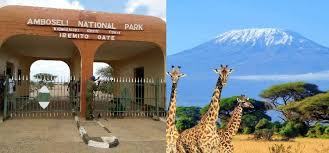
Amboseli National Park, one of the top 5 wildlife sanctuaries near Nairobi, is an extraordinary destination that offers an unforgettable safari experience. Located about 240 kilometers southeast of Nairobi, at the foot of the majestic Mount Kilimanjaro, Amboseli is famous for its stunning landscapes and incredible wildlife sightings.
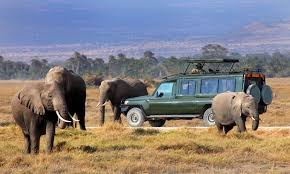
The park is renowned for its large herds of elephants, which roam freely across the expansive savannah, offering some of the best elephant viewing in the world. In addition to elephants, Amboseli is home to a variety of wildlife, including lions, cheetahs, giraffes, zebras, and an impressive array of bird species. The park’s diverse ecosystems, from wetlands to open plains, create an ideal habitat for a wide range of animals, making it a must-visit for wildlife enthusiasts.
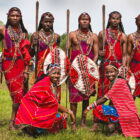
Visitors to Amboseli can enjoy thrilling game drives, where they can get up close to the animals while learning from knowledgeable guides. The park also offers stunning views of Mount Kilimanjaro, providing a breathtaking backdrop for photography and scenic views. For those looking for a more immersive experience, guided nature walks and cultural visits to local Maasai communities are available.
Amboseli’s calm atmosphere and unique landscape make it an exceptional place for wildlife lovers. Whether you’re a first-time visitor or a seasoned traveler, the park provides an amazing opportunity to witness Africa’s wildlife in their natural habitat, all while enjoying the awe-inspiring presence of Mount Kilimanjaro in the distance.
You could also plan a staycation to Amboseli National Park which can be a refreshing escape, offering a mix of adventure and relaxation. Here’s a simple guide to help you plan:
-
Choose Your Travel Dates: Decide on a weekend or a long weekend for a short getaway. Amboseli is a 4-5 hour drive from Nairobi, so it’s ideal for a 2-3 day stay.
-
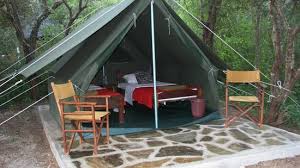
Accommodation: Amboseli offers a range of accommodation options, from luxury lodges and tented camps to budget-friendly hotels. Popular choices include Amboseli Serena Safari Lodge, Amboseli Sopa Lodge, and Ol Tukai Lodge. Rates typically range from $100 to $500 per night, depending on the lodge and level of luxury.
-
Transport: You can drive from Nairobi, or opt for a private shuttle or a local flight to the park’s airstrip (flights are around $100–$200 one way). Renting a car or a safari jeep is also an option if you plan to explore the park independently.
-
Park Entry Fees: The entry fee for Amboseli National Park is approximately Ksh 1,200 ($10) for residents and Ksh 2,500 ($25) for non-residents per adult. Fees for vehicles also apply, usually around Ksh 2,000–Ksh 3,000 ($20–$30) per day.
-
Activities: The main activities include game drives (typically Ksh 4,000–Ksh 8,000 per vehicle), nature walks, and visits to Maasai villages. Booking a guide or safari package can enrich the experience.
-
Meals and Extras: Many lodges include meals in the accommodation package, but you can expect to pay extra for drinks, spa services, or additional activities.
More Information
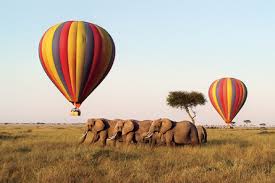
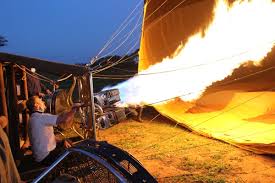
- Entrance Fees For Amboseli National Park, non-resident adults pay $70 in the high season (July to February) and $40 in the low season (March to June), while children pay $20 regardless of the season. East African Citizen/Resident Fees (Kenyan Citizens): High Season (July to February): Adults: Ksh 800, Low Season (March to June): Adults: Ksh 600. The main activities include game drives (typically Ksh 4,000–Ksh 8,000 per vehicle), nature walks, and visits to Maasai villages. Horse riding is Ksh 1,030 on private horses per day and for the campsite the park offers both special and public campsite with different costs. A hot air balloon safari in Amboseli National Park typically costs around $450-$475 per adult and $350-$370 per child (4-11 years), with prices potentially varying based on the camp or lodge you fly from. However with a valid Kenyan ID, prices might be lower, with adults paying around $375 and children $275.
- Local Pro tips Best Time to Visit: Dry seasons (June to October, January to February) for optimal wildlife viewing; wet season (November to May) for lush scenery and clearer Kilimanjaro views. What to Wear: Light, neutral-colored clothing, hats, sunglasses, and sunscreen. Warm layers for early mornings and evenings. Photography Tips: Early mornings and late afternoons offer the best light for capturing Kilimanjaro and wildlife. Respect Wildlife and Culture: Maintain a safe distance from animals and respect Maasai traditions during cultural visits. Carry Binoculars: Essential for bird watching and spotting distant wildlife, enhancing your experience of wildlife sanctuaries in Kenya. Insect Repellent: Crucial, especially during the wet season to stay comfortable. What to Bring
- Nearby Attractions Chyulu Hills: Explore volcanic landscapes and enjoy hiking trails near Nairobi. Tsavo West National Park: Known for its rugged terrain and diverse wildlife; easily combined with an Amboseli visit. Kimana Sanctuary: A community-owned reserve offering intimate wildlife experiences. Time
